Step 1
Digital Scan
Capture precise 3D records of teeth,
bite, and fit.


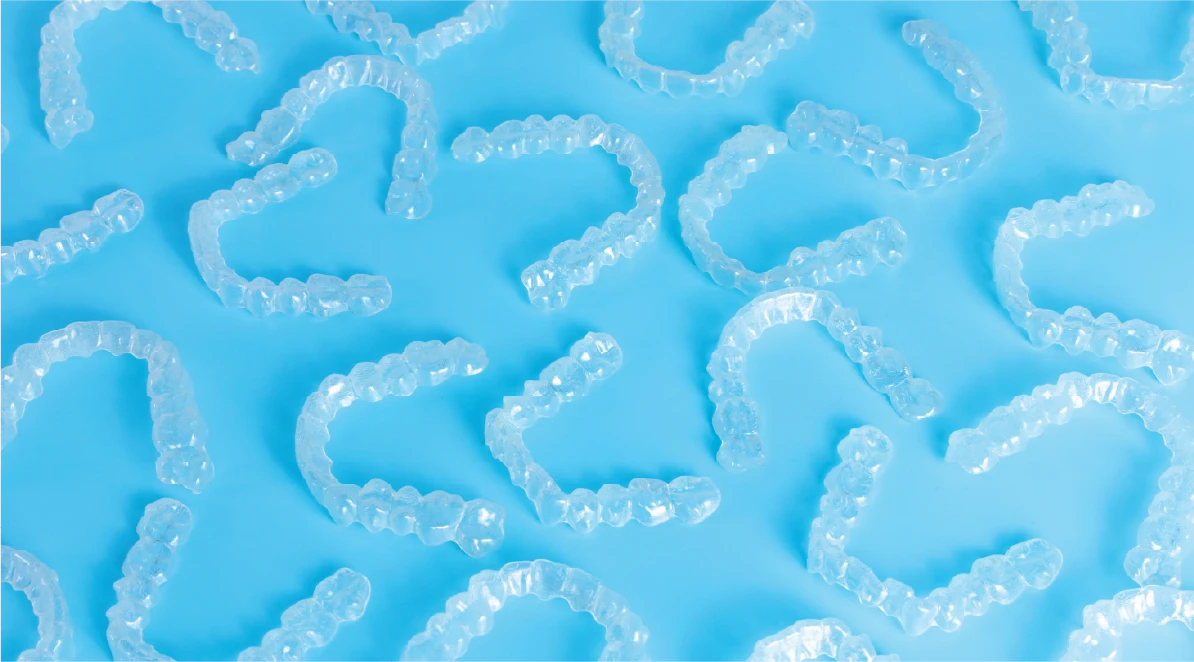
Clear aligners use gentle, controlled forces to move teeth step by step. Each aligner is slightly different, shifting your teeth a little closer to their final position. Over time, these small movements add up to a healthier bite, a more balanced smile, and, when paired with our airway-focused approach, better long-term function.
From digital records and planning to daily wear, refinements, and retention,
each phase builds on the one before it to protect your result and support long-term function.
Capture precise 3D records of teeth,
bite, and fit.
Dr. Yu will digitally plan your teeth movement.
Place attachments and deliver the first few sets of aligners.
Build consistent habits that keep treatment on track.
Monitor progress and fine-tune for ideal bite and smile.
Remove attachments, take final records, and scan for retainers.
Protect your results with retainers and follow-up care.
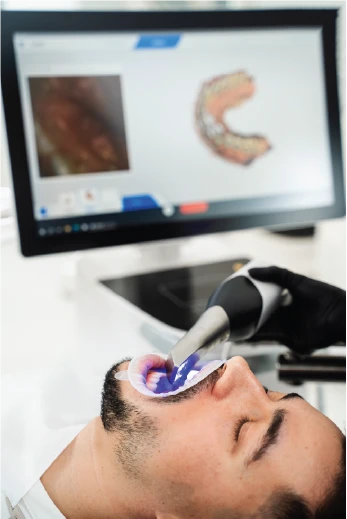
Instead of messy impressions, we use a high-resolution digital scanner to capture a precise 3D model of your teeth, bite, and how everything fits together. At Face Focused, this is typically completed during your initial consultation so Dr. Yu can start evaluating your case with accurate records from day one.
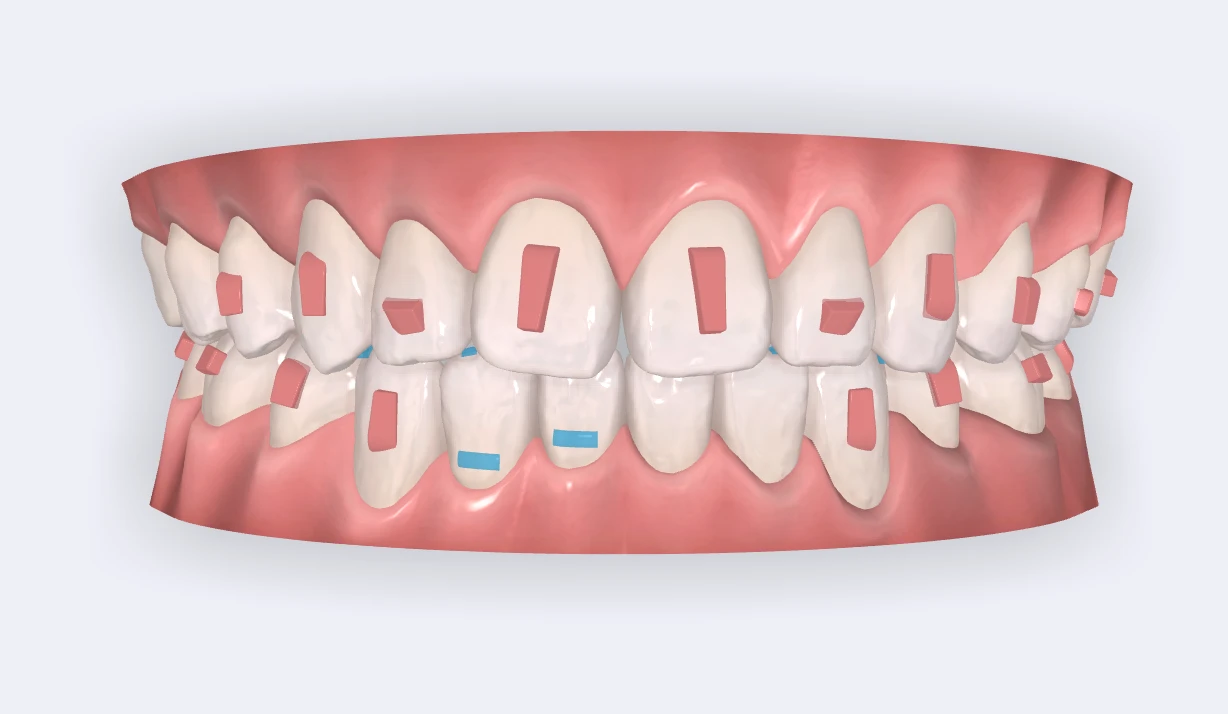
After records are captured, Dr. Yu builds your aligner plan around more than tooth alignment alone. Tooth movement is mapped with attention to bite function, airway support, facial balance, and how your result will feel in everyday life.
This is also where your goals, timing, and preferences are considered so the plan is realistic, efficient, and tailored to you.
How teeth meet is planned for comfort, stability, and efficient chewing function.
Crowding and spacing are addressed with controlled movement and room for long-term stability.
Planning considers jaw position, breathing goals, and whole-face balance whenever appropriate.
Movements are designed around your facial features so the result looks natural, not overdone.
On your first day of aligner treatment, attachments are placed on specific teeth. These small, tooth-colored bumps act as grip points, helping aligners move teeth with greater precision and control.
Once the attachments are placed, you’ll try in your first set of aligners. A gentle “click” often means they are fully seated. We then review insertion and removal, wear schedule, and cleaning and care instructions.
Mild pressure or tightness for the first day or two is normal and usually means the aligners are actively working. Most aligners are worn for 5–14 days depending on your treatment phase.
Attachments may be adjusted or replaced later in treatment as your teeth continue to move and progress.
Attachments are placed on selected teeth to improve aligner grip and control.
Your first trays are checked for fit, seating, and comfort.
You learn how to insert, remove, and store aligners properly.
We review your schedule and what normal pressure or tightness feels like.
Consistent wear and daily care help aligner treatment stay on schedule and let each tray work the way it was designed.
Strong at-home routines protect your progress, improve tray fit, and make progress checks easier to keep on track.
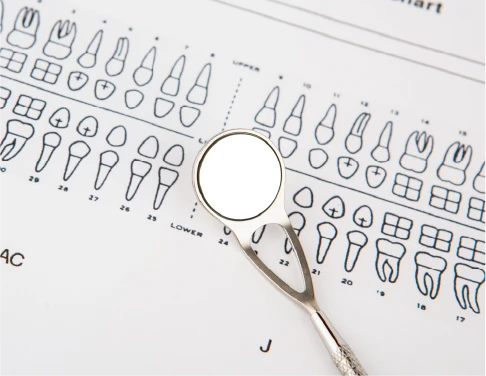
As treatment moves forward, Dr. Yu and our team closely monitor your progress to ensure every aligner is working exactly as planned. You’ll have regular check-ins, typically every 6–10 weeks, where we evaluate tooth movement, review fit, and make any needed adjustments.
Refinements are a normal and important part of aligner treatment. They help ensure your bite, smile, and airway alignment are perfected, not just improved. New sets of aligners may be created to fine-tune final movements for an ideal, stable result.
Attachments are polished off to leave teeth smooth and natural again.
New digital records are taken to document your final result.
Bite, jaw comfort, smile aesthetics, and stability are reviewed.
Progress in facial structure, airway, and dental alignment is reviewed.
When you reach your final set of aligners and both you and Dr. Yu are satisfied with the result, it’s time to celebrate. This visit marks the completion of your active treatment phase and the beginning of long-term stability.
This appointment is more than the end of aligner wear. It reflects months of precision planning, teamwork, and your dedication to consistent wear.
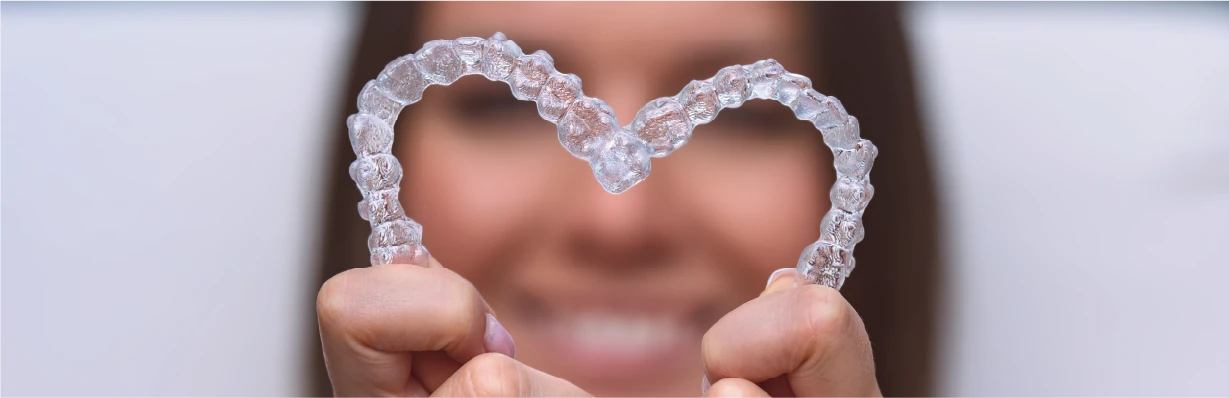
Completing aligner treatment is a major milestone, and retention is what protects that result over time. After teeth move into their planned positions, the bone and surrounding tissues need time to stabilize, so retainers and follow-up care help keep your bite, alignment, and function on track.
After your final aligners, we take a new digital scan to create custom retainers designed for your bite and facial structure. Retainers help prevent unwanted shifting while tissues settle.
Even excellent orthodontic results can relapse without proper retention. Retainers also help protect the airway and bite balance achieved through treatment.
Periodic check-ins help ensure retainer fit and long-term stability. Remote monitoring may be available for long-distance or busy patients when appropriate.
Dr. Yu determines the best retention schedule for each patient based on treatment type, airway structure, and long-term goals. For some, that means full-time wear initially, then nights only as stability improves.

A consultation is the best place to understand your concerns, review your options, and get a clear plan for what care may be appropriate. Dr. Yu will evaluate your records and help you decide on the right next step.