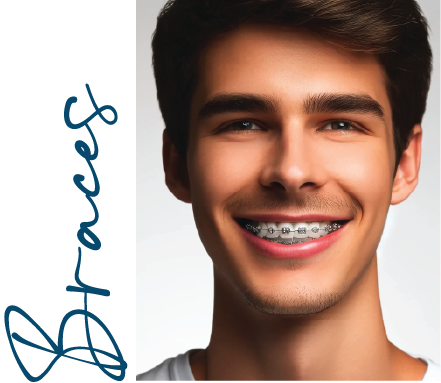

Braces

Braces vs Aligners

Both braces and clear aligners can create excellent orthodontic results. The best choice depends on your bite, treatment goals, lifestyle, and how much day-to-day wear compliance your plan requires.

At Face Focused Orthodontics, Dr. Yu recommends the system that gives the most predictable, stable result for your specific case, not simply the most popular option.

  • Side-by-side comparison of esthetics, comfort, hygiene, and office visits
  • Practical differences that affect daily life and treatment consistency
  • Supportive care tips to keep your smile healthy during treatment
  • Designed to help you ask better questions during your consultation
Comparison Guide

How Braces and Aligners Compare in Real Life

This comparison highlights practical differences in appearance, comfort, hygiene, diet, and appointment rhythm. Some cases are a strong fit for aligners, while others benefit from the control of fixed braces. What matters most is choosing the system that supports healthy, precise movement for your bite.
Esthetics

  • Metal brackets are more visible than ceramic or clear bracket options.
  • Clear aligners are nearly invisible to others.
  • They can be removed when needed.

Compliance

  • Minimal patient compliance is required.
  • Braces stay attached, so treatment is not interrupted by forgetting or misplacing them.
  • High patient compliance is needed.
  • Aligners typically need to be worn 20 to 22 hours per day for best results.

Comfort

  • Brackets and wires may cause irritation.
  • Braces may lead to more emergency office visits.
  • Polished aligner surfaces are generally more comfortable.
  • They often cause less irritation.

Hygiene

  • Flossing and brushing around brackets is more difficult.
  • Extra effort is needed to maintain good hygiene.
  • Daily cleaning is usually easier than with braces.
  • Teeth still need thorough brushing and flossing.

Diet Restrictions

  • Limit hard, crunchy, and sticky foods.
  • No food limitations while eating, but trays should be removed first.
  • Temporary staining may occur with foods or drinks like turmeric, coffee, or tea.

Office Visits

  • More frequent visits, often every 4 to 6 weeks
  • More emergency visits for broken brackets or wire irritation
  • Less frequent visits in many cases
  • Remote monitoring may be possible for some treatment plans
Daily Care

Keep Your Smile Healthy During Orthodontic Care

Brush icon

Brush Regularly

What to do: Brush your teeth and appliances after every meal using a soft-bristled toothbrush and toothpaste.

Mouthwash icon

Rinse with Mouthwash

What to do: Use an antibacterial mouthwash daily to help reduce plaque buildup, freshen your breath, and clean around brackets and wires where brushing may be more difficult.
Floss icon

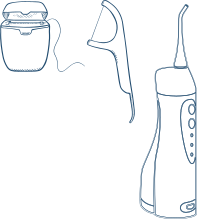
Floss Daily

What to do: Use orthodontic floss threaders or a water flosser to remove food particles and plaque between teeth and around appliances.

Food caution icon

Avoid Certain Foods

What to do: If you have fixed appliances, avoid sticky, hard, and sugary foods that can damage appliances or increase plaque buildup.

Whether you choose braces or aligners, maintaining strong daily hygiene habits and consistently following your treatment plan, appointments, and care instructions are essential for keeping your teeth and gums healthy and supporting stable, long-term results.

Not Sure Which Option Fits Best?

A consultation with Dr. Yu can help clarify whether braces or aligners are the better fit for your bite, your goals, and the level of treatment control your case needs.